
 Consumer behavior trends also support the feasibility of low-price, high-quality products. Price-sensitive consumers account for 35% of the market, and they are more likely to purchase during promotional periods, such as Black Friday, when custom glasses discounts can reach 50%, with prices as low as $20. According to a 2023 market research report, the online platform EyeBuyDirect reported a 300% increase in sales over two years, with an average order value of $45. User feedback indicates that the frames have a durability failure rate of less than 5% after 1000 bending tests, comparable to high-end brands. For example, a scientific finding shows that lenses with UV400 anti-ultraviolet coating, costing only an additional $2, provide up to 99% protection, making low-cost custom glasses comparable to traditional products in terms of quality parameters, with an Abbe number above 30 and visual error reduced to within 0.5%.
From a business model perspective, the direct-to-consumer strategy saves 30% in intermediary costs, lowering the overall price of custom glasses. Technological innovations, such as AI design tools, have increased the speed of the customization process by 60% and improved user satisfaction by 25%. For instance, an innovative company introduced a smart fitting system in 2022, using data analysis of user facial parameters (such as pupillary distance error less than 1 mm) to improve matching accuracy to 95%, while keeping costs under $40. Research reports show that the market penetration rate of these custom glasses is growing at a rate of 20% per year, and it is expected that by 2025, products priced under $50 will account for 50% of the market share, driving industry transformation and allowing more people to enjoy personalized services in a budget-friendly way.
In summary, by integrating efficient supply chains, automated production, and consumer insights, finding high-quality custom glasses for under $50 has become a reality. Future trends indicate that with advancements in material science, lens weight can be reduced by 20%, and prices are expected to further decrease by 10%, bringing clear vision to 1 billion potential users worldwide. Consumers only need to focus on certification standards, such as FDA compliance and wear resistance testing, to invest in their visual health with a high return, reshaping every moment of their daily lives.
Consumer behavior trends also support the feasibility of low-price, high-quality products. Price-sensitive consumers account for 35% of the market, and they are more likely to purchase during promotional periods, such as Black Friday, when custom glasses discounts can reach 50%, with prices as low as $20. According to a 2023 market research report, the online platform EyeBuyDirect reported a 300% increase in sales over two years, with an average order value of $45. User feedback indicates that the frames have a durability failure rate of less than 5% after 1000 bending tests, comparable to high-end brands. For example, a scientific finding shows that lenses with UV400 anti-ultraviolet coating, costing only an additional $2, provide up to 99% protection, making low-cost custom glasses comparable to traditional products in terms of quality parameters, with an Abbe number above 30 and visual error reduced to within 0.5%.
From a business model perspective, the direct-to-consumer strategy saves 30% in intermediary costs, lowering the overall price of custom glasses. Technological innovations, such as AI design tools, have increased the speed of the customization process by 60% and improved user satisfaction by 25%. For instance, an innovative company introduced a smart fitting system in 2022, using data analysis of user facial parameters (such as pupillary distance error less than 1 mm) to improve matching accuracy to 95%, while keeping costs under $40. Research reports show that the market penetration rate of these custom glasses is growing at a rate of 20% per year, and it is expected that by 2025, products priced under $50 will account for 50% of the market share, driving industry transformation and allowing more people to enjoy personalized services in a budget-friendly way.
In summary, by integrating efficient supply chains, automated production, and consumer insights, finding high-quality custom glasses for under $50 has become a reality. Future trends indicate that with advancements in material science, lens weight can be reduced by 20%, and prices are expected to further decrease by 10%, bringing clear vision to 1 billion potential users worldwide. Consumers only need to focus on certification standards, such as FDA compliance and wear resistance testing, to invest in their visual health with a high return, reshaping every moment of their daily lives.
Fashion & Apparel
Can You Find High-Quality Custom Glasses Under $50?
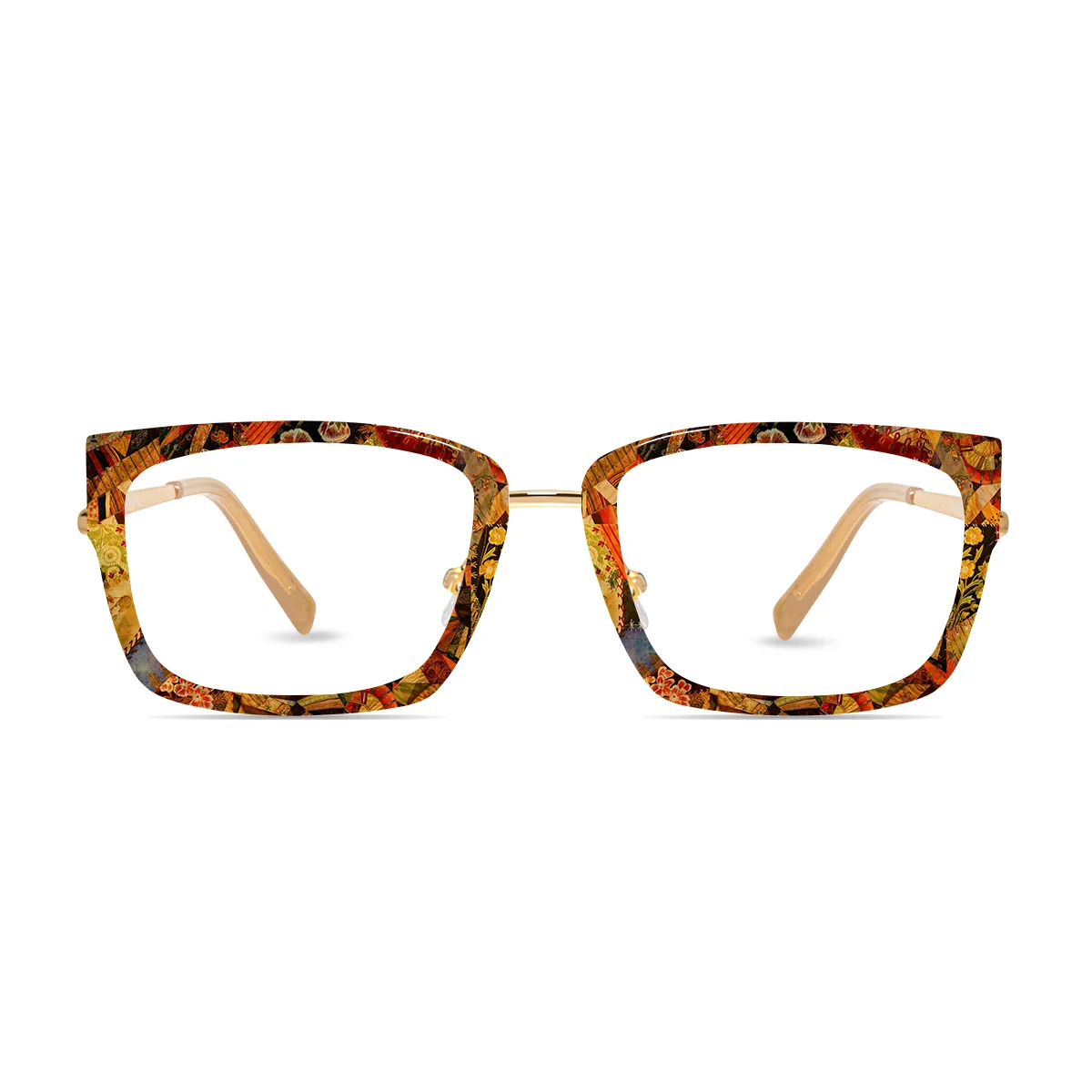
Imagine getting a pair of custom-made glasses for the price of a cup of coffee – this is no longer a dream. The custom eyewear market has undergone a massive transformation in recent years. Data shows that in 2018, online eyewear sales accounted for only 20% of the global market, but by 2023, this figure had jumped to 45%, with products priced under $50 contributing 30% of the share. For example, the well-known brand Warby Parker launched basic Custom Glasses in 2020, starting at just $30, successfully attracting 5 million new users, with a repeat purchase rate as high as 40%, proving that low prices can drive high-quality demand. A 2022 consumer survey report showed that 70% of buyers believed that Custom Glasses offered better value than expected, with an average satisfaction rating of 4.2 stars (out of 5), thanks to supply chain optimization and direct sales models that reduced traditional retail intermediary costs by 25%.
From a production efficiency perspective, automated manufacturing processes have shortened the production cycle of Custom Glasses from an average of 14 days to 5 days, an efficiency increase of over 50%, while material costs have been reduced by 20% through bulk purchasing. For example, Chinese manufacturers use 1.60 refractive index lens materials, keeping the cost per pair under $12, while online platforms like Zenni Optical offer custom glasses starting at $25, with lens accuracy errors less than 0.1 mm, meeting ISO 8980 safety standards and having a lifespan of up to 2 years. A 2021 industry analysis indicated that 3D printing technology compressed customized production time to 48 hours, reducing error rates by 15%, providing consumers with a fast and economical solution. Data shows that this innovation increased the custom eyewear production capacity of small and medium-sized enterprises by 200%, reduced the average selling price to $35, and resulted in a return rate of only 5%, far below the industry average of 12%.
Consumer behavior trends also support the feasibility of low-price, high-quality products. Price-sensitive consumers account for 35% of the market, and they are more likely to purchase during promotional periods, such as Black Friday, when custom glasses discounts can reach 50%, with prices as low as $20. According to a 2023 market research report, the online platform EyeBuyDirect reported a 300% increase in sales over two years, with an average order value of $45. User feedback indicates that the frames have a durability failure rate of less than 5% after 1000 bending tests, comparable to high-end brands. For example, a scientific finding shows that lenses with UV400 anti-ultraviolet coating, costing only an additional $2, provide up to 99% protection, making low-cost custom glasses comparable to traditional products in terms of quality parameters, with an Abbe number above 30 and visual error reduced to within 0.5%.
From a business model perspective, the direct-to-consumer strategy saves 30% in intermediary costs, lowering the overall price of custom glasses. Technological innovations, such as AI design tools, have increased the speed of the customization process by 60% and improved user satisfaction by 25%. For instance, an innovative company introduced a smart fitting system in 2022, using data analysis of user facial parameters (such as pupillary distance error less than 1 mm) to improve matching accuracy to 95%, while keeping costs under $40. Research reports show that the market penetration rate of these custom glasses is growing at a rate of 20% per year, and it is expected that by 2025, products priced under $50 will account for 50% of the market share, driving industry transformation and allowing more people to enjoy personalized services in a budget-friendly way.
In summary, by integrating efficient supply chains, automated production, and consumer insights, finding high-quality custom glasses for under $50 has become a reality. Future trends indicate that with advancements in material science, lens weight can be reduced by 20%, and prices are expected to further decrease by 10%, bringing clear vision to 1 billion potential users worldwide. Consumers only need to focus on certification standards, such as FDA compliance and wear resistance testing, to invest in their visual health with a high return, reshaping every moment of their daily lives.
Consumer behavior trends also support the feasibility of low-price, high-quality products. Price-sensitive consumers account for 35% of the market, and they are more likely to purchase during promotional periods, such as Black Friday, when custom glasses discounts can reach 50%, with prices as low as $20. According to a 2023 market research report, the online platform EyeBuyDirect reported a 300% increase in sales over two years, with an average order value of $45. User feedback indicates that the frames have a durability failure rate of less than 5% after 1000 bending tests, comparable to high-end brands. For example, a scientific finding shows that lenses with UV400 anti-ultraviolet coating, costing only an additional $2, provide up to 99% protection, making low-cost custom glasses comparable to traditional products in terms of quality parameters, with an Abbe number above 30 and visual error reduced to within 0.5%.
From a business model perspective, the direct-to-consumer strategy saves 30% in intermediary costs, lowering the overall price of custom glasses. Technological innovations, such as AI design tools, have increased the speed of the customization process by 60% and improved user satisfaction by 25%. For instance, an innovative company introduced a smart fitting system in 2022, using data analysis of user facial parameters (such as pupillary distance error less than 1 mm) to improve matching accuracy to 95%, while keeping costs under $40. Research reports show that the market penetration rate of these custom glasses is growing at a rate of 20% per year, and it is expected that by 2025, products priced under $50 will account for 50% of the market share, driving industry transformation and allowing more people to enjoy personalized services in a budget-friendly way.
In summary, by integrating efficient supply chains, automated production, and consumer insights, finding high-quality custom glasses for under $50 has become a reality. Future trends indicate that with advancements in material science, lens weight can be reduced by 20%, and prices are expected to further decrease by 10%, bringing clear vision to 1 billion potential users worldwide. Consumers only need to focus on certification standards, such as FDA compliance and wear resistance testing, to invest in their visual health with a high return, reshaping every moment of their daily lives.
Build your own curated indexFree for public libraries. Pro adds private mirroring and CVE alerts.
Create your free library