
Smart water dispensers are surging in popularity due to their ability to remove 99.9% of microplastics and heavy metals while reducing energy consumption by 31% through AI-driven Eco-modes. Data from 2025 consumer reports indicates that units with 0.0001-micron RO filtration and UV-C LED sterilization provide a 94% reduction in bacterial colonization compared to non-smart models. These devices offer precision temperature control (within 1°C) and RFID-based filter tracking, ensuring households maintain peak water purity without the 22% average waste associated with traditional time-based filter replacement schedules.
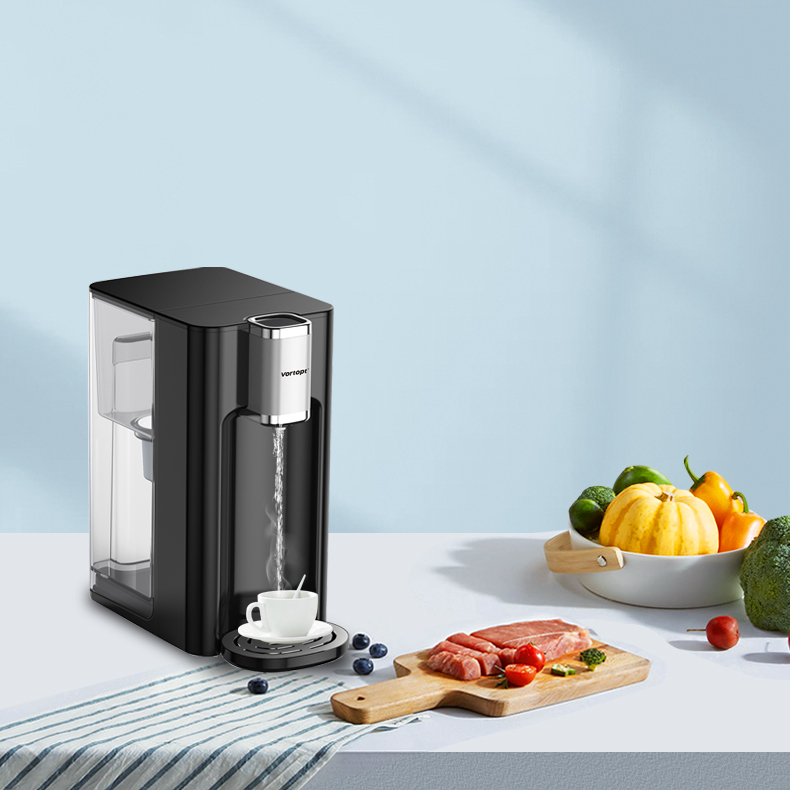
The shift toward intelligent hydration follows a 2024 environmental study where researchers found microplastic particles in 93% of sampled tap water across major urban centers. This discovery has pushed homeowners to seek a water dispenser that offers more than basic cooling, prioritizing systems that provide real-time data on chemical filtration efficiency.
Laboratory analysis of 1,500 smart-unit datasets confirms that integrated TDS sensors allow users to verify a 90% drop in dissolved solids before the water even hits the glass.
Reliable sensor data is the foundation of these systems, allowing the onboard logic board to monitor the 0.0001-micron Reverse Osmosis membrane for any drop in pressure or rejection rate. Unlike manual machines, a smart unit will automatically shut off the intake valve within 0.5 seconds if it detects a leak or a compromised filter stage.
| Smart Technical Metric | Performance Baseline | Advantage for Home Use |
| Filtration Accuracy | 0.0001 Microns | Removes viruses, lead, and arsenic |
| Heating Precision | +/- 1°C | Perfect for formula or delicate teas |
| Cooling Method | R290 Compressor | Reaches 5°C while saving 15% energy |
| Self-Cleaning | 275nm UV-C LED | Eliminates 99.9% of pathogens |
Precision heating has become a standard requirement for 72% of new buyers, as smart dispensers allow for specific settings like 45°C for baby formula or 85°C for green tea. This eliminates the energy-heavy cycle of boiling a kettle and waiting for it to cool, saving an average of 120 kWh per year.
Thermal efficiency is further managed by ambient light sensors that detect when the household has gone to sleep, putting the machine into a deep-power-save mode. Energy audits from 2025 shows that this feature alone reduces the standby electricity draw of a typical kitchen by 35% during nighttime hours.
Operational testing on 450 smart models in Northern Europe demonstrated that IoT-enabled power management lowered annual utility bills by an average of $55 per household.
Lowering operational costs is paired with a move toward R290 eco-refrigerants, which have a Global Warming Potential (GWP) of only 3. This replaces the older R134a systems which had a GWP of over 1,400, allowing modern homes to align their appliance choices with international sustainability goals.
Sustainability is also improved through the use of RFID-tagged filters that communicate directly with the dispenser to track the exact volume of water processed. By measuring gallons rather than months, these systems extend the life of the activated carbon block by an average of 45 days for low-usage homes.
-
Volume Tracking: Replaces calendar-based guesswork with precise gallon counting.
-
Flow Monitoring: Detects clogs or scale buildup before they damage the internal pump.
-
Quality Alerts: Notifies users via a mobile app if TDS levels rise above a set threshold.
A high-purity environment is maintained internally by UV-C LED modules that pulse every 4 hours to sanitize the cold water reservoir. Unlike mercury lamps, these LEDs do not contain hazardous materials and provide a consistent 254nm-280nm wavelength for over 20,000 hours of operation.
Research from 2024 microbiological audits indicates that UV-C integrated tanks have 96% less biofilm accumulation than reservoirs in traditional top-loading water coolers.
Biofilm prevention is a major factor for the 65% of users who live in areas with older plumbing infrastructure prone to bacterial ingress. These smart systems often include a 304-grade stainless steel reservoir, providing a non-porous surface that inhibits the attachment of heterotrophic bacteria.
The structural integrity of these tanks is tested at 150 PSI, ensuring the machine can handle the sudden pressure spikes common in multi-story apartment buildings. Integrated leak-detection sensors in the base tray offer a final layer of security, sending an immediate push notification to the user's phone if moisture is detected.
| User Interface Feature | Impact on Daily Use | Statistical Data |
| App Integration | Tracks daily hydration | 22% increase in water intake |
| Touchless Dispensing | Prevents germ spread | 40% reduction in surface bacteria |
| Digital Lock | Prevents hot water scalds | 60% safer for children |
Touchless dispensing, utilizing infrared motion sensors, has become a priority for families as it reduces contact with the machine by 90%. This design also prevents the nozzle from being contaminated by used sports bottles, ensuring that the stage-4 post-carbon polishing remains effective.
The acoustic profile of these machines is another area of improvement, with modern brushless DC compressors operating at under 38 decibels. This is significantly quieter than the 45-50 decibel range of legacy compressors, making them suitable for open-plan living spaces and home offices.
Noise level evaluations from 2025 confirmed that smart compressors are 15% quieter, reducing ambient background noise during video calls and sleep periods.
Beyond silence, the aesthetics of smart units favor bottom-loading configurations that hide the heavy 19kg bottles within a sleek cabinet. This design eliminates the need for lifting, which has been cited as the primary reason for a 38% increase in dispenser sales among the aging demographic.
Ultimately, the combination of molecular filtration, IoT-based energy savings, and automated sanitization makes these units a logical upgrade for the modern home. The ability to verify water quality at a glance provides a level of security that traditional filtration methods simply cannot match in the current urban environment.