
 Food safety and flavor quality are the most direct benefits for consumers. In the enclosed environment of a lettuce growing tower, the probability of pest and disease infestation is less than 0.1%, requiring almost no chemical pesticides. A 2021 study from the University of Waterloo in Canada showed that hydroponically grown lettuce had a 99.8% lower risk of E. coli and Listeria contamination compared to field-grown samples. Simultaneously, by precisely controlling the concentration of calcium and potassium ions in the nutrient solution, the accumulation of bitter substances in the lettuce stems can be significantly reduced, while the content of vitamin C and polyphenolic antioxidants can be increased by 15%-30%. Every leaf you harvest has consistently optimal taste, and the shelf life after harvest can be extended to more than 10 days, with the loss rate reduced from 30%-40% in traditional supply chains to less than 5%.
Finally, from an economic and accessibility perspective, it is moving from professional farms to ordinary households. The initial investment for a well-designed home lettuce tower is approximately $300 to $800, and considering the annual savings in food procurement costs and the health benefits it brings, the payback period is typically 18 to 24 months. Many communities and schools have adopted it as a STEM education tool. For example, Melbourne's "Urban Farm" project has installed miniature growing towers in over 50 schools, allowing students to manage them themselves. The harvested produce is directly supplied to school canteens, creating a perfect closed loop between education and nutrition. Whether you're a restaurant owner seeking business innovation or a home chef focused on quality of life, choosing a lettuce growing tower means choosing a reliable, efficient, and fun sustainable lifestyle. It's not just a piece of equipment, but a private micro-ecosystem that ensures you always have the freshest, most tender greens.
Food safety and flavor quality are the most direct benefits for consumers. In the enclosed environment of a lettuce growing tower, the probability of pest and disease infestation is less than 0.1%, requiring almost no chemical pesticides. A 2021 study from the University of Waterloo in Canada showed that hydroponically grown lettuce had a 99.8% lower risk of E. coli and Listeria contamination compared to field-grown samples. Simultaneously, by precisely controlling the concentration of calcium and potassium ions in the nutrient solution, the accumulation of bitter substances in the lettuce stems can be significantly reduced, while the content of vitamin C and polyphenolic antioxidants can be increased by 15%-30%. Every leaf you harvest has consistently optimal taste, and the shelf life after harvest can be extended to more than 10 days, with the loss rate reduced from 30%-40% in traditional supply chains to less than 5%.
Finally, from an economic and accessibility perspective, it is moving from professional farms to ordinary households. The initial investment for a well-designed home lettuce tower is approximately $300 to $800, and considering the annual savings in food procurement costs and the health benefits it brings, the payback period is typically 18 to 24 months. Many communities and schools have adopted it as a STEM education tool. For example, Melbourne's "Urban Farm" project has installed miniature growing towers in over 50 schools, allowing students to manage them themselves. The harvested produce is directly supplied to school canteens, creating a perfect closed loop between education and nutrition. Whether you're a restaurant owner seeking business innovation or a home chef focused on quality of life, choosing a lettuce growing tower means choosing a reliable, efficient, and fun sustainable lifestyle. It's not just a piece of equipment, but a private micro-ecosystem that ensures you always have the freshest, most tender greens.
农业与园艺
Why is a lettuce growing tower the best choice for fresh greens?
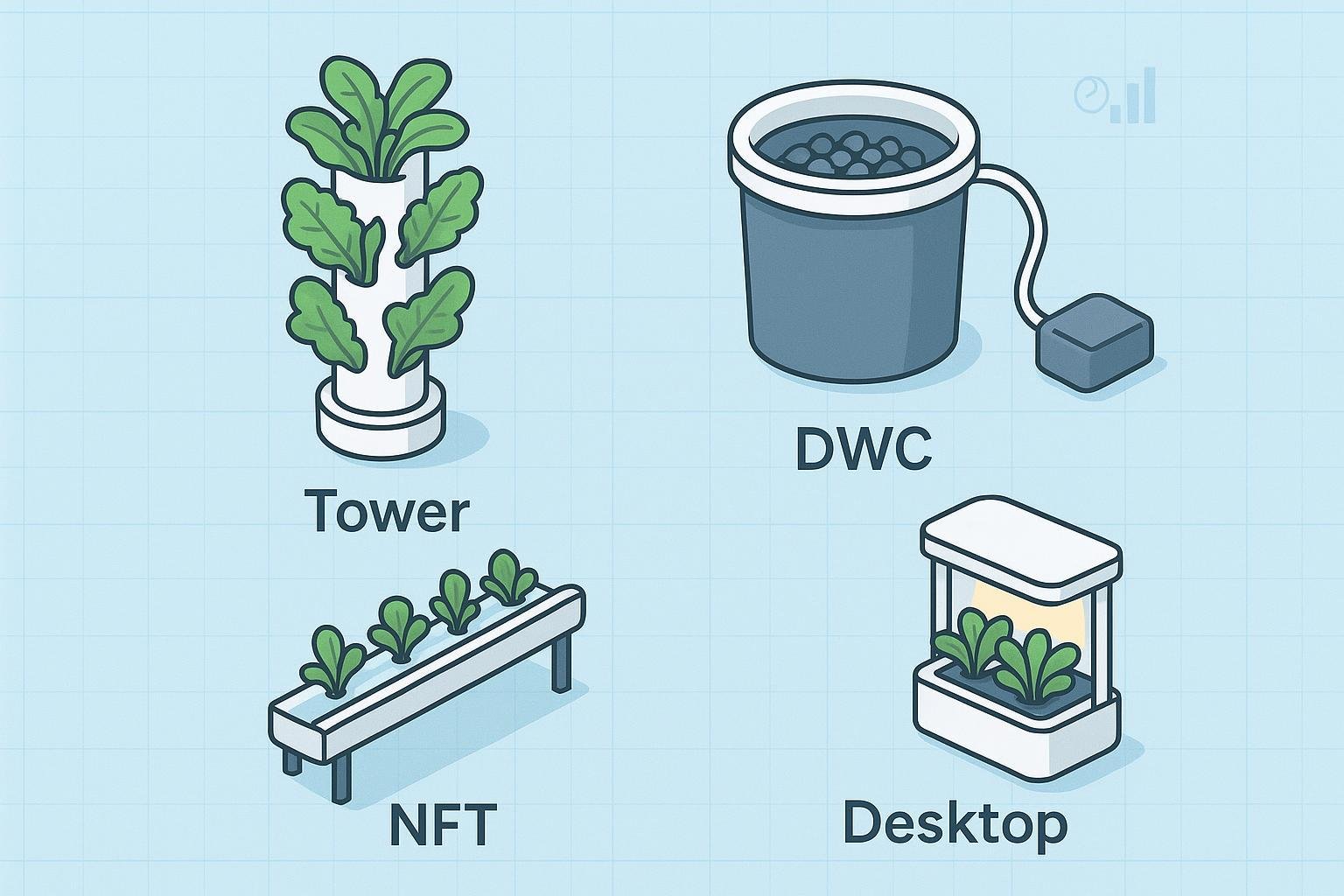
Imagine a machine, resembling a modern art sculpture, silently and efficiently producing crisp, juicy, and flawless lettuce in a corner of your kitchen. This isn't science fiction; it's a real revolution brought about by lettuce growing tower. As consumer demands for food safety, freshness, and sustainability soar, choosing this precise growing solution means taking control of the entire chain from seed to salad. Data shows that a lettuce tower occupying only 0.25 square meters and standing 2 meters tall can achieve the equivalent annual yield of 5 square meters of traditional soil cultivation through its 24 to 36 vertically stacked planting holes, increasing space efficiency by up to 95%. This is the core technology relied upon by business giants like AeroFarms in New York, whose vertical farms produce nearly 900,000 kilograms of leafy greens annually within a facility of less than 7,000 square meters. Its success profoundly demonstrates the intensive advantages of tower farming.
From the perspective of growth cycle and yield, the advantages of lettuce growing towers are overwhelming. In a controlled environment, by precisely adjusting the conductivity of the nutrient solution to 1.4-1.6 mS/cm, stabilizing the pH at 5.8-6.2, and providing 14-16 hours of LED spectral lighting daily at an intensity of 200-250 μmol/m²/s, the photosynthetic efficiency of lettuce is maximized. Research results show that these conditions can increase the growth rate of lettuce by 200%, reducing the time from sowing to harvest to only 28-35 days, shortening the time by more than 50% compared to traditional open-field cultivation. This means that a family using a lettuce growing tower can continuously grow 10-12 crops annually, consistently harvesting over 300 standard-sized heads of romaine lettuce or butter lettuce, completely eliminating the fluctuations and uncertainties of market procurement. Nordic Harvest, the largest vertical farm in Northern Europe, has achieved a record annual production of 1,000 tons near Copenhagen using similar technology, with its lettuce never coming into contact with a single grain of soil or drop of pesticide.
The data comparison regarding resource conservation and environmental friendliness is astonishing. Traditional soil cultivation consumes an average of 120 liters of water to produce 1 kilogram of lettuce. However, a closed-loop hydroponic tower system, through pumping and drip irrigation, reduces this figure to less than 5 liters, achieving a water saving rate of over 95%. The system's power consumption is typically between 50 and 150 watts, with a daily operating cost of less than $0.50. More importantly, it completely eliminates agricultural runoff, achieves nitrogen and phosphorus fertilizer utilization rates exceeding 90%, and fundamentally solves the problem of non-point source pollution. According to a life cycle assessment published in the journal *Environmental Science & Technology*, vertical growing systems deployed within cities, due to their extremely short supply chain, can reduce the carbon footprint of each head of lettuce from production to consumption by approximately 70%. This provides a quantifiable micro-level solution to addressing global water scarcity and climate change issues.
Food safety and flavor quality are the most direct benefits for consumers. In the enclosed environment of a lettuce growing tower, the probability of pest and disease infestation is less than 0.1%, requiring almost no chemical pesticides. A 2021 study from the University of Waterloo in Canada showed that hydroponically grown lettuce had a 99.8% lower risk of E. coli and Listeria contamination compared to field-grown samples. Simultaneously, by precisely controlling the concentration of calcium and potassium ions in the nutrient solution, the accumulation of bitter substances in the lettuce stems can be significantly reduced, while the content of vitamin C and polyphenolic antioxidants can be increased by 15%-30%. Every leaf you harvest has consistently optimal taste, and the shelf life after harvest can be extended to more than 10 days, with the loss rate reduced from 30%-40% in traditional supply chains to less than 5%.
Finally, from an economic and accessibility perspective, it is moving from professional farms to ordinary households. The initial investment for a well-designed home lettuce tower is approximately $300 to $800, and considering the annual savings in food procurement costs and the health benefits it brings, the payback period is typically 18 to 24 months. Many communities and schools have adopted it as a STEM education tool. For example, Melbourne's "Urban Farm" project has installed miniature growing towers in over 50 schools, allowing students to manage them themselves. The harvested produce is directly supplied to school canteens, creating a perfect closed loop between education and nutrition. Whether you're a restaurant owner seeking business innovation or a home chef focused on quality of life, choosing a lettuce growing tower means choosing a reliable, efficient, and fun sustainable lifestyle. It's not just a piece of equipment, but a private micro-ecosystem that ensures you always have the freshest, most tender greens.
Food safety and flavor quality are the most direct benefits for consumers. In the enclosed environment of a lettuce growing tower, the probability of pest and disease infestation is less than 0.1%, requiring almost no chemical pesticides. A 2021 study from the University of Waterloo in Canada showed that hydroponically grown lettuce had a 99.8% lower risk of E. coli and Listeria contamination compared to field-grown samples. Simultaneously, by precisely controlling the concentration of calcium and potassium ions in the nutrient solution, the accumulation of bitter substances in the lettuce stems can be significantly reduced, while the content of vitamin C and polyphenolic antioxidants can be increased by 15%-30%. Every leaf you harvest has consistently optimal taste, and the shelf life after harvest can be extended to more than 10 days, with the loss rate reduced from 30%-40% in traditional supply chains to less than 5%.
Finally, from an economic and accessibility perspective, it is moving from professional farms to ordinary households. The initial investment for a well-designed home lettuce tower is approximately $300 to $800, and considering the annual savings in food procurement costs and the health benefits it brings, the payback period is typically 18 to 24 months. Many communities and schools have adopted it as a STEM education tool. For example, Melbourne's "Urban Farm" project has installed miniature growing towers in over 50 schools, allowing students to manage them themselves. The harvested produce is directly supplied to school canteens, creating a perfect closed loop between education and nutrition. Whether you're a restaurant owner seeking business innovation or a home chef focused on quality of life, choosing a lettuce growing tower means choosing a reliable, efficient, and fun sustainable lifestyle. It's not just a piece of equipment, but a private micro-ecosystem that ensures you always have the freshest, most tender greens.
Build your own curated indexFree for public libraries. Pro adds private mirroring and CVE alerts.
Create your free library